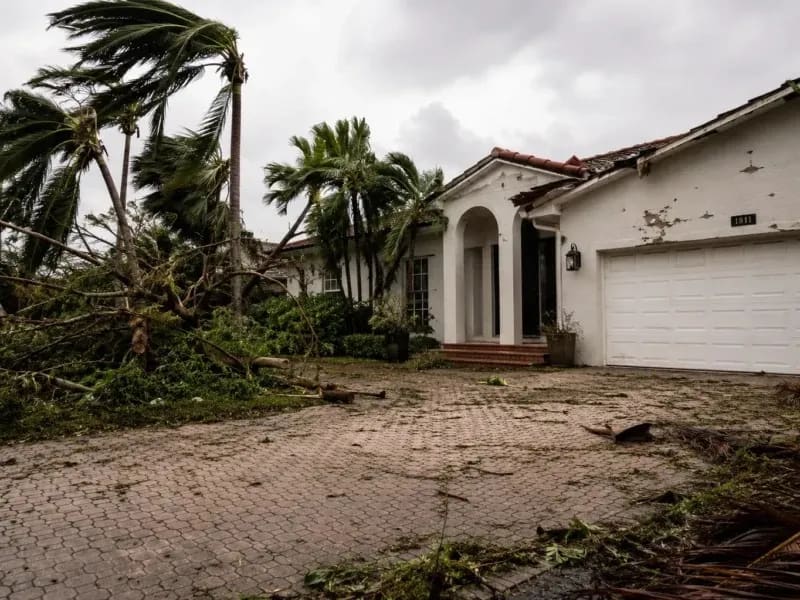
After a hurricane in Miami, stay inside until local authorities confirm it is safe. Document all property damage with photos before touching anything. Check for gas leaks, structural damage, and downed power lines. Contact your insurance company before starting any cleanup. Then call Miami’s licensed hurricane cleanup service to handle debris removal, water extraction, and mold prevention.
Miami homeowners often rush into cleanup mode the moment the storm passes. That impulse is understandable but it can make things worse, complicate your insurance claim, and put you at real risk.
Here is the right order of steps.
1. Wait for the All Clear
Do not go outside until local authorities confirm it is safe. Miami-Dade County issues post-storm safety announcements through the county website, local TV and radio. Even after winds die down, downed power lines, flooded roads and unstable structures are active dangers.
Do not walk or drive through standing water. It can hide electrical lines, open manholes and contaminated sewage runoff.
2. Document Everything Before You Touch It
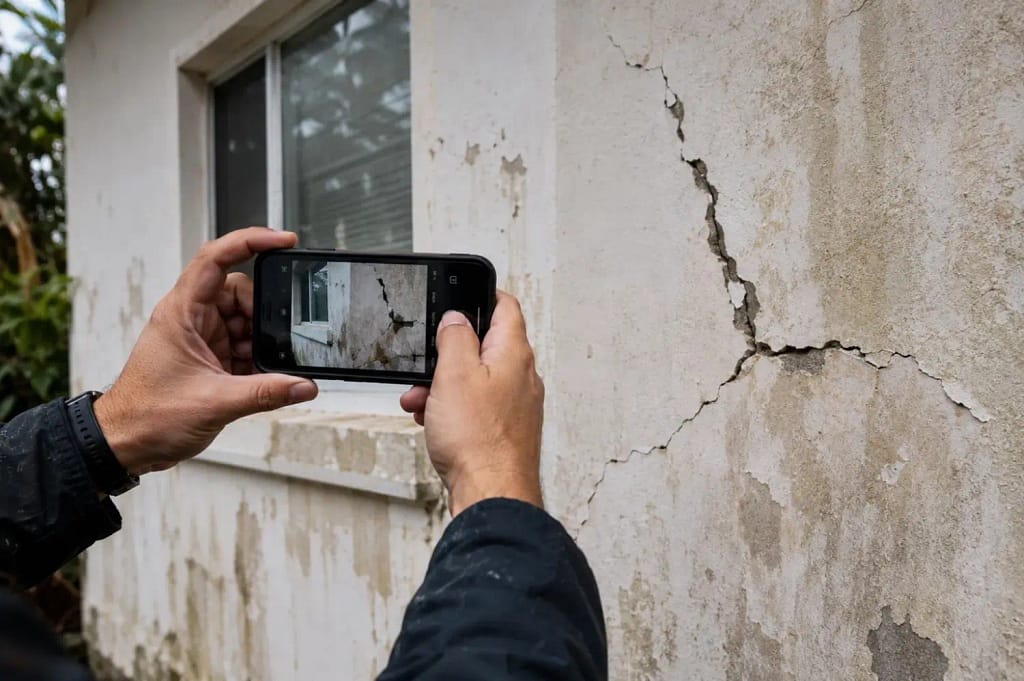
Walk through your property and photograph and video every damaged area before moving a single piece of debris. Capture:
- Roof damage, missing tiles, and soft spots
- Fallen trees or branches on the structure
- Water intrusion inside walls, ceilings or flooring
- Fence damage, exterior stucco cracks, and gate damage
- Any debris sitting against the home
This documentation is what your insurance adjuster uses to process your claim. Once you move debris or begin any cleanup, you lose that evidence. Take photos first, every time.
3. Check for These Hazards Before Anyone Enters
Before letting family members back inside or walking through rooms yourself:
- Look up. Check the ceiling for sagging, which signals water weight or structural compromise
- Smell for gas. If you detect any odor, leave immediately and call FPL or 911
- Check for visible mold or black streaking on walls that were not there before the storm
- Look at the electrical panel. If there is any water near it, do not touch it
South Florida stucco homes are particularly vulnerable after a storm. Wind and rain force water behind the exterior surface and mold can begin growing inside wall cavities within 24 to 48 hours, often before you can see it from outside.
4. Call Your Insurance Company
Before scheduling any professional cleanup, notify your insurance provider. Most policies require you to report damage promptly. They will assign an adjuster and walk you through what your policy covers.
Some policies cover hurricane debris removal and storm damage cleanup including water extraction and mold prevention treatment. Knowing what is covered before you book a service saves you money and prevents disputes later.
LZ Pressure Cleaning works directly with insurance adjusters and handles documentation as part of the hurricane cleanup process, which takes that burden off homeowners during an already stressful time.
5. Handle Only What Is Safe to Handle Yourself
There are things you can do before professionals arrive and things you should not touch.
You can safely:
- Cover broken windows or roof openings with plastic sheeting to stop more water from entering
- Move undamaged belongings away from wet areas
- Bag loose surface debris like leaves and small branches in the yard
Leave to professionals:
- Fallen trees on or near the structure
- Any debris touching power lines
- Standing water inside the home
- Stucco or exterior surfaces with visible cracking or water damage
Attempting to pressure wash storm-damaged stucco yourself is one of the most common mistakes after a hurricane in Miami. Stucco that already has micro-cracks from wind impact breaks down further under high pressure and traps water inside the wall instead of cleaning it.
6. Prevent Mold From Taking Hold
Miami’s heat and humidity mean mold moves fast after a storm. If water got inside the home, the clock starts immediately.

Open windows and doors to ventilate if the structure is safe. Remove any soaked carpet, rugs or padding. Do not leave wet materials sitting in closed rooms.
Professional storm cleanup includes water extraction, structural drying and mold prevention treatment as standard steps. The longer water sits, the deeper the remediation required.
7. Then Call for Professional Hurricane Cleanup
Once you have documented the damage, spoken with your insurer, and handled immediate safety steps, you are ready to bring in a cleanup crew.
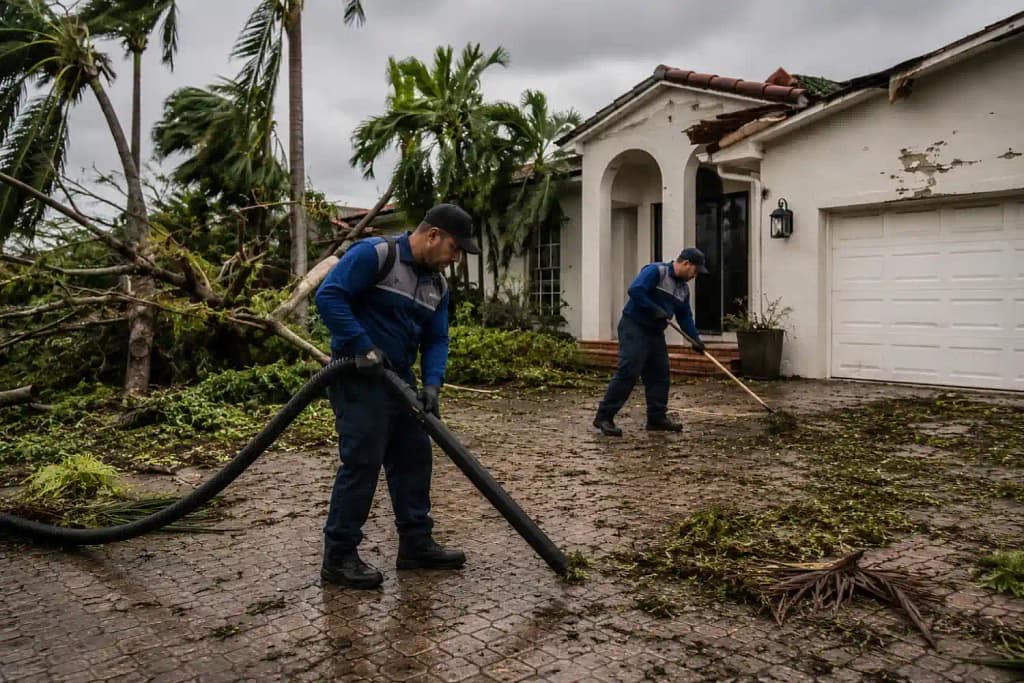
What a professional hurricane cleanup service in Miami covers:
- Storm debris removal and hauling from the property
- Fallen tree and branch removal
- Water extraction and structural drying
- Exterior surface cleaning and sanitization including driveways, patios, roofs and walls
- Mold prevention treatment on affected surfaces
- Insurance claim documentation and adjuster coordination
LZ Pressure Cleaning provides 24/7 emergency hurricane cleanup response across Miami-Dade County. Whether you are in Coral Gables, Homestead, Miami Beach, Brickell, Coconut Grove or Aventura, the team arrives within 2 to 4 hours to assess damage and begin stabilization.
After the Storm, Speed Is Everything
Every hour after a hurricane, water goes deeper, mold spreads further and debris causes more surface damage. The steps above protect your property, your insurance claim and your family before the cleanup crew arrives.
If your Miami home took storm damage, LZ Pressure Cleaning is available 24/7.
Call (877) 658-5887 or get a free estimate online.