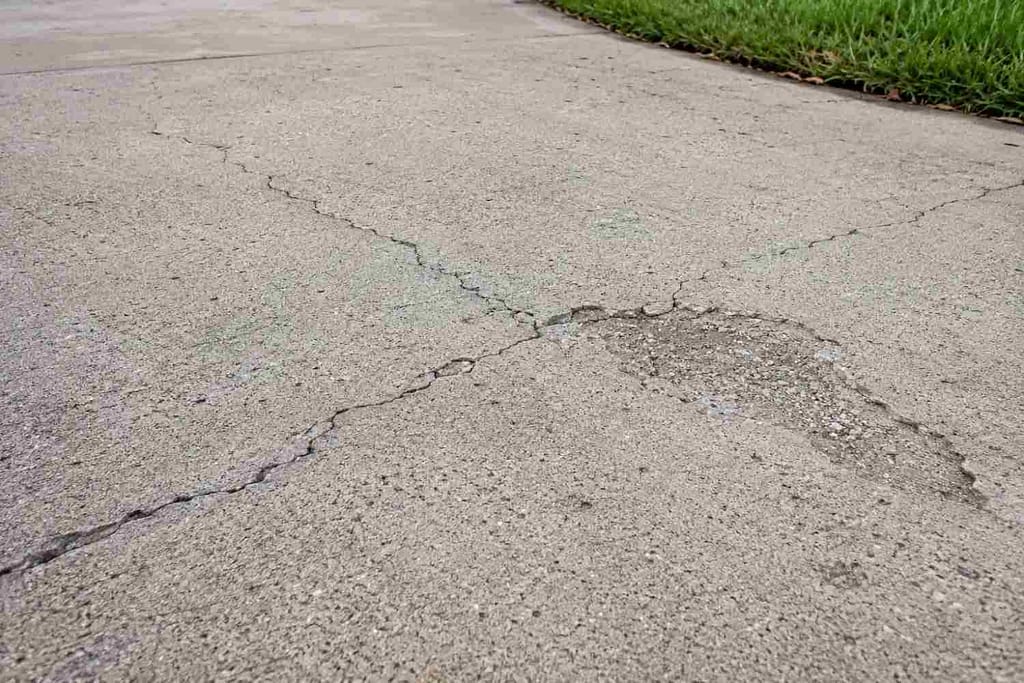
Miami’s heat, humidity, heavy rainy season and salt air age driveways faster than most climates. Staying ahead of that damage is simple when you know what to check and when to check it.
Miami homeowners should clean their driveways professionally every three to six months and inspect for cracks, staining and drainage issues monthly. Asphalt driveways need sealcoating every two to three years, concrete every four to five years, and paver driveways benefit from annual sealing. Before hurricane season each June, inspect drainage, crack condition and paver stability to protect the driveway against South Florida storm damage.
This checklist covers every task Miami homeowners should run through to keep their concrete, asphalt and paver driveways protected year after year.
Driveway Maintenance Details for Miami Homeowners
Monthly
Clear Debris and Check for Standing Water
Remove leaves, palm fronds and organic debris from the surface. In Miami’s humidity, organic material left on a driveway traps moisture and accelerates algae and mold growth within weeks. Standing water after rain also signals a drainage or slope problem worth catching early.
Look for New Stains
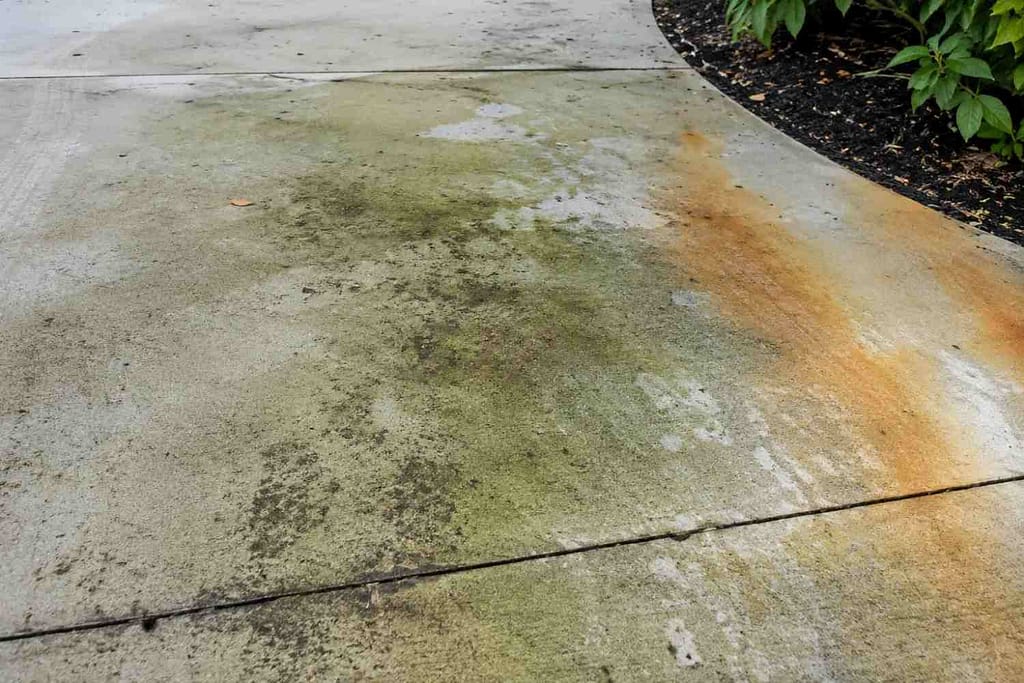
Oil drips, rust from irrigation systems and tire marks bond into porous concrete and asphalt surfaces fast in South Florida’s heat. Fresh stains are significantly easier to remove than cured ones. Catching them monthly keeps removal straightforward.
Every 3 to 6 Months
Schedule Professional Driveway Cleaning
This is the single most important item on the list. Professional driveway and sidewalk cleaning removes algae, mold, oil stains, rust staining and biological growth that routine hosing leaves behind. In Miami’s climate, biological growth on concrete and paver surfaces accumulates fast and bonds into the surface material the longer it sits.
Concrete driveways in most Miami neighborhoods need professional cleaning every three to six months. Coastal properties in Miami Beach, Key Biscayne, Coconut Grove and Brickell benefit from more frequent service due to salt air accelerating surface contamination.
LZ Pressure Cleaning provides professional driveway and sidewalk cleaning in Miami for concrete, asphalt and paver surfaces across Miami-Dade County, removing biological growth, oil stains and rust before they bond permanently.
Inspect Cracks and Surface Condition
Walk the full length of the driveway and look for:
- Hairline cracks under a quarter inch wide
- Surface spalling or flaking on concrete
- Sunken or uneven paver sections
- Soft spots on asphalt indicating base failure
Hairline cracks caught early can be filled. Ignored, they widen every rainy season as water enters and expands beneath the surface.
Check Paver Joint Sand
Paver driveways lose joint sand over time from rainfall and surface cleaning. When sand washes out, pavers shift, rock and create trip hazards and drainage problems. Refilling joint sand and resealing keeps the surface stable and prevents weed and moss growth in the gaps.
Annually
Seal the Driveway
- Asphalt driveways in South Florida need sealcoating every two to three years minimum. Miami’s UV exposure oxidizes asphalt fast, causing it to dry, gray and crack without regular sealing.
- Concrete driveways benefit from sealing every four to five years to protect against moisture infiltration, rust staining from irrigation systems and oil penetration from vehicle drips.
- Paver driveways should be sealed annually or every two years to lock joint sand, prevent biological growth in the surface and protect the paver color from UV fading.
Always have the driveway professionally cleaned before any sealing job. Sealer applied over contamination will not bond correctly and will peel prematurely.
Pre-Hurricane Season Inspection
Before hurricane season begins in June, inspect:
- Drainage at the base of the driveway to confirm water flows away from the home
- Crack condition since wind-driven water enters cracks and causes rapid expansion
- Paver stability since loose pavers become projectiles in high winds
A professionally cleaned and well-maintained driveway enters storm season in its best condition to resist the moisture intrusion and debris impact that South Florida storms bring.
Warning Signs That Need Immediate Attention
Do not wait for the next scheduled check if you notice:
- Alligator cracking spreading across the surface
- Sinking or uneven sections that change the slope of the driveway
- Standing water that does not drain within 30 minutes of rain stopping
- Heavy black algae or mold staining that covers more than 25 percent of the surface
Any of these conditions is telling you the driveway needs professional assessment before maintenance becomes restoration.
The Simplest Rule for Miami Driveways
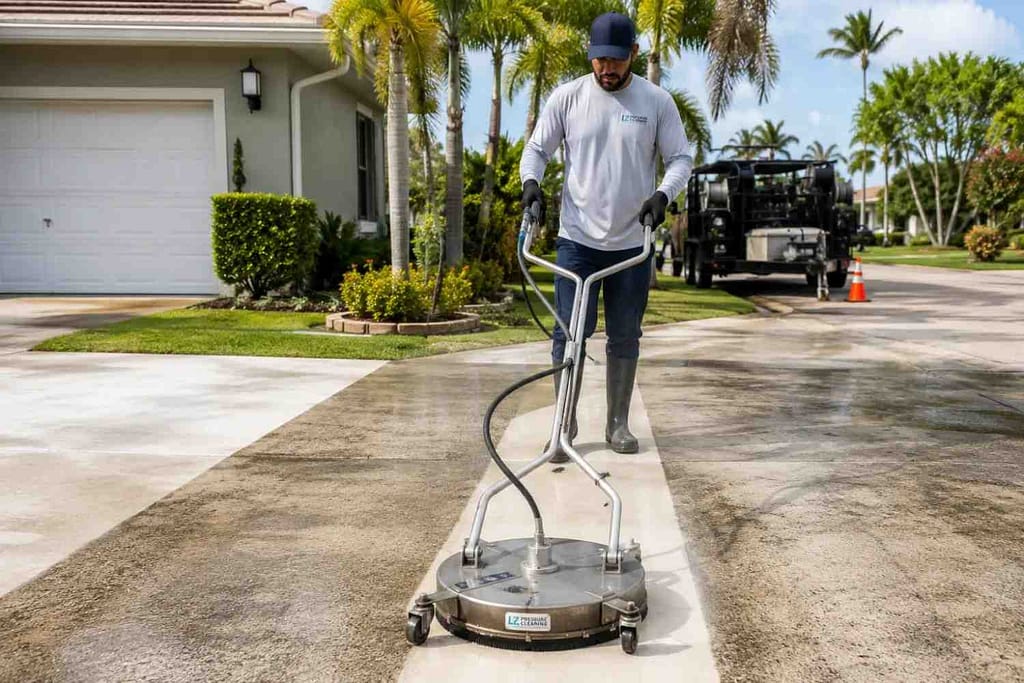
Clean it professionally every three to six months. Seal it on schedule. Inspect it before rainy season and hurricane season. Catch cracks while they are still small. Miami’s climate does not give driveways a rest between seasons. A consistent maintenance routine is what separates a driveway that lasts 30 years from one that needs replacement in 10.
Call (877) 658-5887 or get a free driveway cleaning estimate in Miami online.
Frequently Asked Questions
How often should a Miami homeowner clean their driveway professionally?
Most Miami driveways need professional cleaning every three to six months. Coastal properties in Miami Beach, Key Biscayne, Brickell and Coconut Grove benefit from more frequent cleaning due to salt air exposure. Miami’s year-round humidity and heavy rainy season accelerate algae, mold and biological growth on concrete and paver surfaces significantly faster than in most markets.
When should you seal a driveway in Miami?
Asphalt driveways in Miami need sealcoating every two to three years due to intense UV oxidation. Concrete driveways should be sealed every four to five years. Paver driveways benefit from sealing annually or every two years. The best time to seal is during dry season from November through April, always after professional cleaning to ensure the sealer bonds correctly.
What are signs a Miami driveway needs immediate attention?
Signs requiring immediate attention include alligator cracking spreading across the surface, sinking or uneven sections, standing water that does not drain within 30 minutes of rain stopping, and heavy biological staining covering more than 25 percent of the surface. These conditions require professional assessment before routine maintenance can address them effectively.